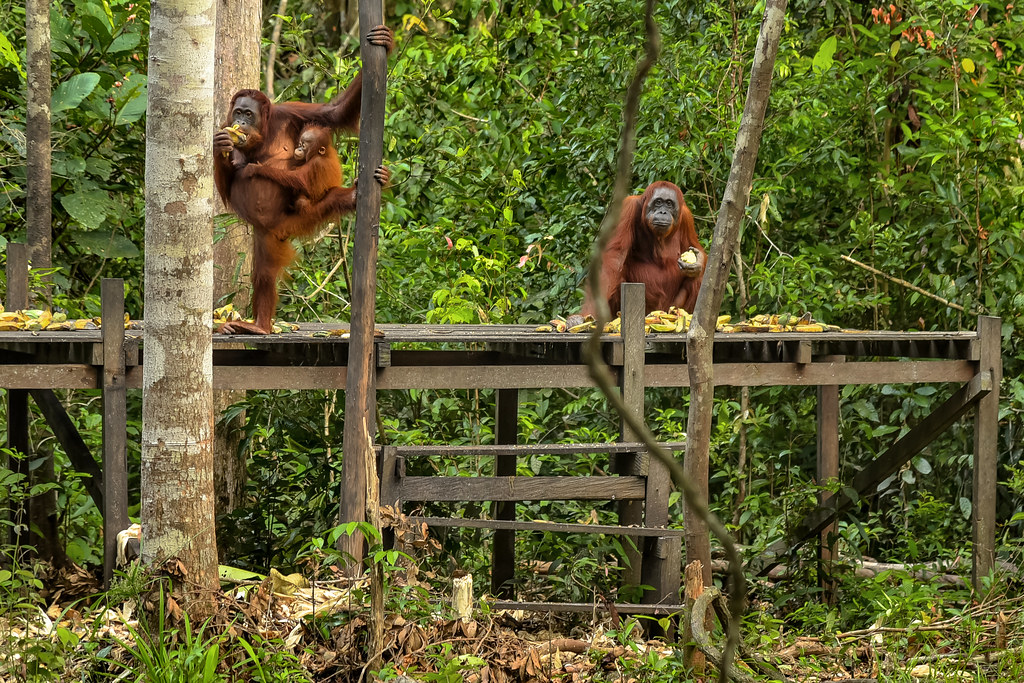
Tanjung Puting National Park, located on the island of Borneo in Indonesia, is one of the world’s most famous natural reserves, home to rich wildlife, including the endangered orangutan. A visit to this lush tropical paradise offers a rare chance to see these magnificent creatures in their natural habitat, alongside proboscis monkeys, macaques, gibbons, and a variety of bird species. Here’s a detailed guide on how to visit Tanjung Puting National Park and make the most of your adventure.
Why Visit Tanjung Puting National Park?
Tanjung Puting is a haven for wildlife enthusiasts and nature lovers alike. The park covers over 400,000 hectares of lowland forests, swamp areas, and coastal mangroves, making it a biodiverse treasure. The highlight for many visitors is the opportunity to observe orangutans at one of the rehabilitation centers in the park. The park is also home to over 200 species of birds, clouded leopards, sun bears, and exotic plant life, creating a rich and immersive jungle experience.
How to Get to Tanjung Puting National Park
The starting point for most visitors to Tanjung Puting is Pangkalan Bun, a small town in Central Kalimantan, Borneo. Here’s how you can reach the park:
- By Air: The fastest way to get to Pangkalan Bun is by flying from Jakarta, Surabaya, or Semarang. There are daily flights operated by local airlines like Garuda Indonesia and Wings Air.
- From Pangkalan Bun to Kumai: Once in Pangkalan Bun, you’ll need to travel to the nearby port town of Kumai, which is the gateway to Tanjung Puting. A taxi or private car can take you from Pangkalan Bun to Kumai in about 20 minutes.
- Klotok Boat to Tanjung Puting: The best way to explore the park is by hiring a klotok, a traditional wooden boat. These boats are equipped with sleeping quarters and a dining area, making them a unique way to navigate the park’s winding rivers. Klotok journeys typically start in Kumai and take you along the Sekonyer River to the park’s various wildlife viewing spots.
Best Time to Visit Tanjung Puting National Park
The best time to visit Tanjung Puting is during the dry season, which runs from June to September. During this time, the weather is more predictable, and the trails are less muddy, making it easier to spot wildlife. However, the park can be visited year-round, though the rainy season (October to May) might present some challenges due to flooding and increased humidity.
What to Expect: Orangutan Rehabilitation Centers
Tanjung Puting is internationally recognized for its orangutan conservation efforts. There are several rehabilitation centers within the park where visitors can see these incredible creatures up close.
- Camp Leakey: The most famous and historically significant of the orangutan rehabilitation centers, Camp Leakey was established in 1971. It’s a hub for scientific research and offers visitors the chance to observe semi-wild and rehabilitated orangutans during daily feeding times.
- Pondok Tanggui: Another notable rehabilitation center, Pondok Tanggui is less crowded than Camp Leakey, offering a more intimate experience with the orangutans. Feeding times are held twice a day, which makes it easier for visitors to plan their trip.
- Tanjung Harapan: Located near the entrance of the park, this center is the first stop on most klotok journeys. It also has a traditional Dayak village nearby, giving visitors a glimpse into the local culture.
Things to Do in Tanjung Puting National Park
In addition to visiting the orangutan rehabilitation centers, there are several other activities to enjoy during your time in the park.
- Jungle Trekking: The park offers various jungle treks for visitors who want to immerse themselves in the rainforest. Guided treks provide opportunities to spot other wildlife like proboscis monkeys, gibbons, and birds. Be prepared for muddy trails and high humidity!
- Birdwatching: With over 200 species of birds, Tanjung Puting is a birdwatcher’s paradise. Keep an eye out for hornbills, kingfishers, and the rare storm stork as you cruise down the river or hike through the jungle.
- Cultural Experiences: Visiting the local Dayak or Malay villages near the park’s outskirts is a unique cultural experience. Many klotok tours include a stop at these villages, where you can learn about the traditional lifestyles and customs of the local people.
- Night Walks: For the adventurous, night walks are a thrilling way to see the park’s nocturnal creatures, including tarsiers, owls, and civet cats. It’s a different perspective on the park’s ecosystem and a fantastic addition to your visit.
Where to Stay
Most visitors spend the night on the klotok boats, which are surprisingly comfortable, offering simple sleeping arrangements, toilets, and showers. The gentle lull of the river and the sounds of the jungle make for a peaceful night’s sleep.
For those looking for more traditional accommodations, there are several eco-lodges near the park’s entrance:
- Rimba Eco Lodge: A popular choice among visitors, this lodge offers comfortable rooms in the heart of the jungle, with opportunities to spot wildlife right from your balcony.
- Orangutan River Cruise Lodge: Another great option, this lodge provides rustic but cozy accommodations with direct access to the river.
What to Pack for Your Trip
- Lightweight, breathable clothing: The tropical climate can be hot and humid, so wear light, comfortable clothes.
- Sturdy walking shoes: The jungle terrain can be uneven and slippery, especially after rain.
- Insect repellent: Mosquitoes and other bugs are abundant in the rainforest, so a good insect repellent is essential.
- Rain gear: Even during the dry season, sudden showers can occur, so a waterproof jacket or poncho is helpful.
- Binoculars: Perfect for birdwatching and spotting wildlife from a distance.
Eco-Friendly Travel Tips
- Respect wildlife: Keep a safe distance from animals, especially the orangutans, and avoid feeding them.
- Support local conservation efforts: Consider making a donation to the park’s conservation projects or purchasing souvenirs from local artisans.
- Minimize waste: Bring reusable water bottles and avoid single-use plastics to reduce your environmental footprint in this pristine wilderness.
Conclusion
Tanjung Puting National Park is a unique and unforgettable destination for wildlife lovers and adventurers. Its pristine rainforest, diverse wildlife, and orangutan rehabilitation efforts make it a must-visit for anyone traveling to Indonesia. By taking a klotok down the winding rivers, trekking through the jungle, and observing orangutans in their natural habitat, you’ll experience one of the world’s greatest ecological treasures.