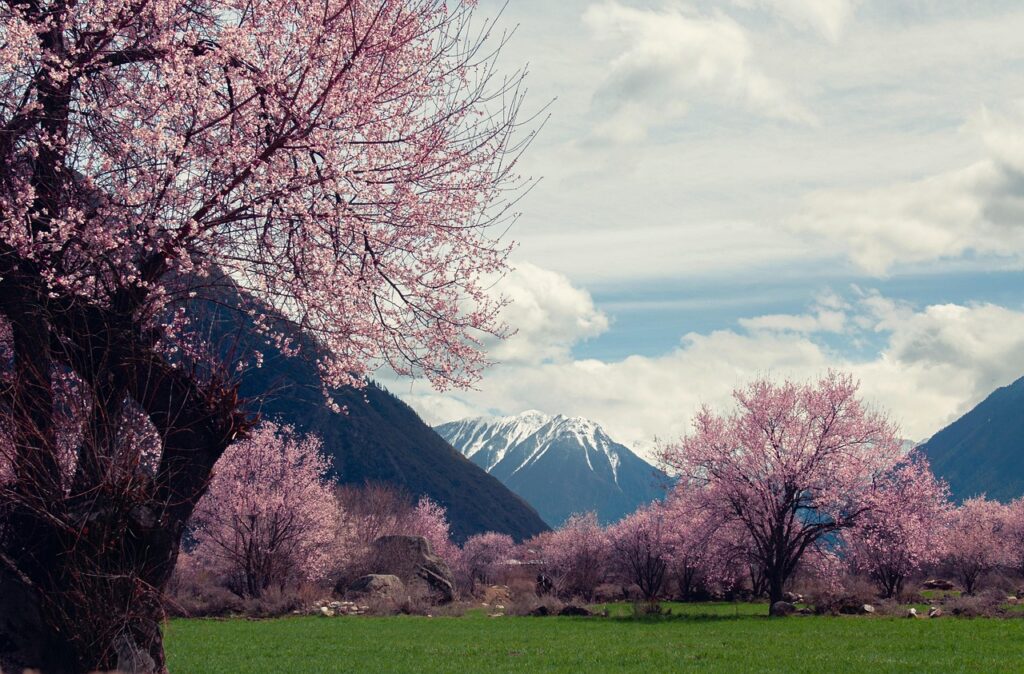
Tibet, known as the Roof of the World, is a dream destination for many travelers. With its stunning landscapes, unique culture, and sacred sites, it offers an unforgettable experience. However, traveling to Tibet can be quite different from other destinations, especially for beginners. This guide will help you navigate Tibet in both summer and winter, offering essential tips to make your trip smooth and memorable.
Why Visit Tibet?
Tibet’s allure lies in its spiritual ambiance, breathtaking mountain ranges, and vibrant traditions. Whether you’re drawn to the towering peaks of the Himalayas, ancient monasteries, or the chance to experience Tibetan Buddhism firsthand, this region has something special to offer. Plus, each season brings its own charm.
Traveling to Tibet in Summer
Climate and Conditions
Summer in Tibet (June to August) is the warmest and most popular time to visit. Temperatures can range from 10°C to 25°C (50°F to 77°F), making it comfortable for outdoor activities. However, occasional rains can occur, particularly in July and August.
Key Activities and Events
- Hiking and Trekking: Trails are accessible and snow-free, especially around Mount Kailash and Lake Yamdrok.
- Festivals: The Shoton Festival, celebrated in August, features Tibetan opera and the unveiling of giant Thangka paintings.
- Cultural Immersion: With clear skies, it’s a great time to explore Lhasa and visit monasteries.
Packing Tips
- Lightweight, breathable clothes for daytime.
- Warmer layers for evenings.
- Waterproof gear due to occasional rains.
Traveling to Tibet in Winter
Climate and Conditions
Winter (December to February) is cold, with temperatures ranging from -10°C to 10°C (14°F to 50°F). However, Lhasa and some valleys stay relatively mild and sunny.
Key Activities and Events
- Snowy Landscapes: Enjoy the serene beauty of snow-capped mountains and quiet temples.
- Pilgrimage Season: Winter sees fewer tourists, allowing for a more peaceful experience.
- Losar Festival: Tibetan New Year, typically in February, offers unique cultural insights.
Packing Tips
- Insulated jackets, thermals, and warm hats.
- Layered clothing to adapt to temperature changes.
- Sturdy, insulated boots for snow.
Permits and Regulations
Regardless of the season, obtaining a Tibet Travel Permit is mandatory. Additionally, some areas require further permits, especially for sensitive border regions. Always arrange these through a registered travel agency.
Accommodation and Food
In summer, most hotels and guesthouses are open, offering a variety of options. In winter, choices can be limited, especially outside Lhasa. Traditional Tibetan cuisine, like yak butter tea and momos, is hearty and warming, perfect for the chilly season.
Final Tips for Beginners
- Altitude Awareness: Acclimatize in Lhasa before heading to higher altitudes.
- Guided Tours: Due to permit requirements, solo travel isn’t possible. Opt for reliable tour operators.
- Respect the Culture: Dress modestly and follow local customs, especially at religious sites.
Conclusion
Whether you visit Tibet in the warmth of summer or the quiet of winter, the region’s timeless beauty and spirituality will leave a lasting impression. With proper preparation and a respectful approach, your Tibetan journey can be truly rewarding.