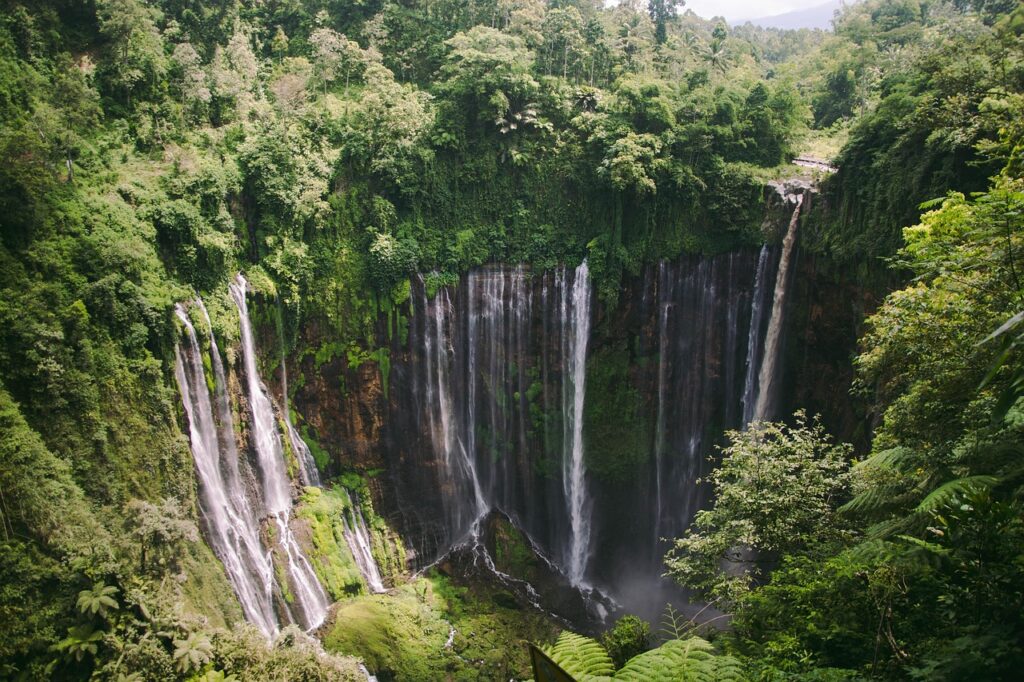
Indonesia is a dream destination for many travelers. With its tropical islands, rich culture, friendly people, and amazing natural wonders, it’s no surprise that millions visit every year. From exploring volcanoes in Java to relaxing on the beaches of Bali or snorkeling in Raja Ampat, Indonesia offers a variety of experiences. But before you go, it’s helpful to know a few key things to make your trip smoother and more enjoyable.
Understanding Indonesia’s Geography
Indonesia is the largest archipelago in the world, made up of over 17,000 islands. The main islands include Java, Sumatra, Kalimantan (Borneo), Sulawesi, Papua, and Bali. Each region has its own customs, languages, and landscapes. Travel between islands often requires flights or ferries, so planning ahead is important.
Weather and When to Visit
Indonesia has a tropical climate with two main seasons: dry and rainy. The dry season usually runs from April to October and is the best time to visit, especially for outdoor activities. The rainy season (November to March) can bring heavy showers, especially in places like Sumatra and Java, though it’s often still warm and pleasant.
Respecting Local Culture and Traditions
Indonesia is a diverse country with hundreds of ethnic groups and traditions. While Bali is mostly Hindu, the majority of Indonesians are Muslim. Dress modestly when visiting temples or rural areas. Removing your shoes before entering someone’s home or a place of worship is a sign of respect. Smiling and being polite go a long way here.
Transportation Tips
Public transportation is limited in many areas, so many visitors use ride-hailing apps, taxis, or rent scooters. In cities like Jakarta, traffic can be very heavy, so allow extra time when moving around. On smaller islands, boats and ferries are common, but schedules may not always be reliable, so patience is key.
Food and Water Safety
Indonesian food is flavorful and often spicy. Popular dishes include nasi goreng (fried rice), satay, and gado-gado (vegetable salad with peanut sauce). Street food is part of the experience but choose stalls with good hygiene and a lot of local customers. Drink only bottled or filtered water, and avoid ice in rural areas to prevent stomach issues.
Currency and Payment
The local currency is the Indonesian Rupiah (IDR). Credit cards are accepted in hotels and big cities, but smaller towns often require cash. ATMs are widely available, but it’s wise to carry small amounts of cash for local purchases, especially on remote islands.
Safety and Health Precautions
Indonesia is generally safe for tourists, but like any destination, it’s important to stay alert. Watch your belongings in crowded places, and avoid isolated areas at night. Check if you need any vaccinations before traveling. In rural areas, access to medical care can be limited, so having travel insurance is a smart idea.
Language and Communication
Bahasa Indonesia is the national language, but many people, especially in tourist areas, speak some English. Learning a few local words like terima kasih (thank you) or selamat pagi (good morning) can create warm interactions. Locals appreciate it when visitors try to speak the language.
Final Thoughts
Traveling in Indonesia is a unique and unforgettable adventure. The country’s beauty, hospitality, and variety of experiences make it a top choice for travelers from around the world. By being respectful, prepared, and open-minded, you can enjoy everything Indonesia has to offer while making lasting memories.