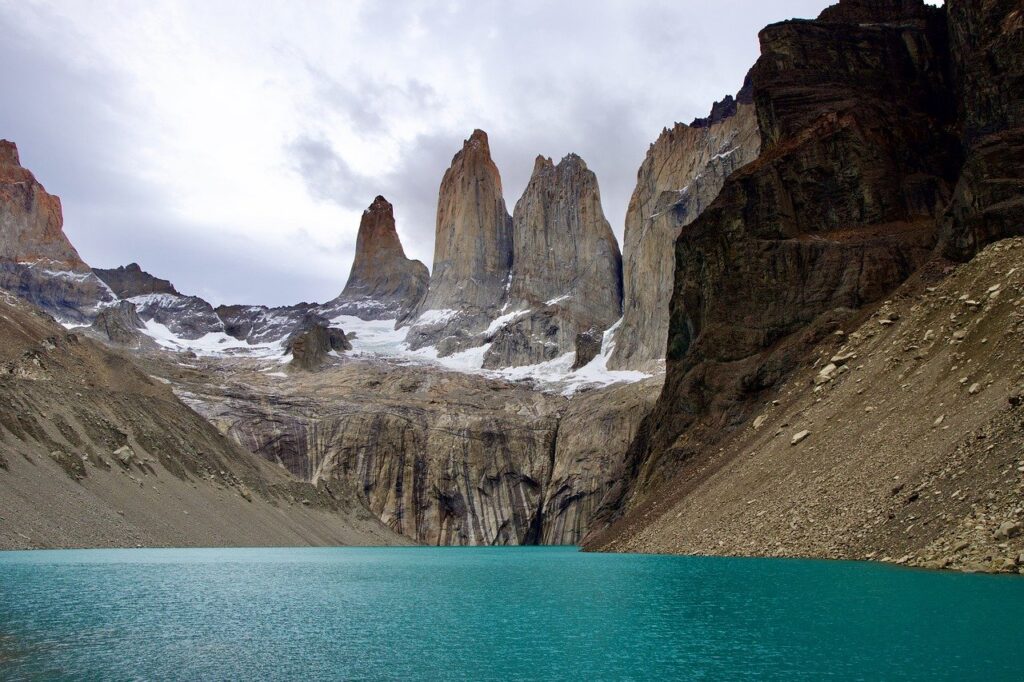
Stretching down the southwestern coast of South America, Chile is a land of extreme contrasts and breathtaking natural beauty. From the arid Atacama Desert in the north to the glaciers and mountains of Patagonia in the south, Chile offers a wide range of landscapes and experiences for travelers. Whether you’re hiking through national parks, sipping wine in the valleys, or exploring the vibrant city life in Santiago, a well-planned trip can make your adventure even more enjoyable. Here is some helpful travel advice to ensure a memorable journey through Chile.
Understand the Geography and Plan Accordingly
Chile’s unique geography makes travel planning essential. The country spans over 4,000 kilometers from north to south, so the climate and attractions vary dramatically by region. The north is dry and warm, ideal for desert explorations. Central Chile, including Santiago and Valparaíso, has a Mediterranean climate perfect for urban exploration and wine tasting. The south, home to Patagonia and the Lake District, is best visited in the summer months from November to March for hiking and outdoor adventures. Factor in travel distances and flight connections when planning your itinerary.
Travel During the Right Season
Because Chile stretches across so many latitudes, seasons differ depending on where you go. Summer (December to February) is the best time to visit most areas, especially Patagonia, where weather conditions are milder and trails are more accessible. Spring (September to November) and fall (March to May) are great for fewer crowds and beautiful natural scenery in the central region and wine valleys. Winter (June to August) brings snow to the Andes, making it a good time for ski enthusiasts near Santiago.
Stay Safe and Prepared for Outdoor Activities
Chile is generally a safe country with low crime rates, especially in rural and nature-focused areas. That said, always take standard precautions in larger cities. If you plan to go hiking, climbing, or camping, check weather forecasts, inform someone of your route, and bring proper gear. In remote areas like Torres del Paine or the Atacama Desert, guided tours are recommended for safety and ease of travel. Be mindful of altitude when visiting high-elevation locations and allow time to acclimate.
Learn Some Basic Spanish
Spanish is the official language in Chile, and while English is spoken in tourist areas, it’s not as widespread in smaller towns. Learning a few basic Spanish phrases can go a long way in daily interactions and shows respect for the local culture. Chilean Spanish also has its own slang and fast-paced rhythm, which might take some getting used to. Carry a translation app or phrasebook to help navigate situations like ordering food or asking for directions.
Take Advantage of the Efficient Bus Network
Chile has a well-developed and affordable long-distance bus system, making it easy to travel between regions. Buses are comfortable and punctual, with various classes ranging from standard to luxury. For longer routes, overnight buses can save both time and money. In cities, local buses and the metro in Santiago offer convenient options for getting around. Domestic flights are a good choice for traveling between distant areas like Santiago and Punta Arenas or Calama.
Don’t Miss the Diverse Culinary Scene
Chilean cuisine varies by region and often features fresh seafood, meats, and hearty stews. In the coastal areas, try ceviche and grilled fish. In the south, sample dishes like curanto, a traditional meat and seafood bake. Empanadas are a beloved snack available everywhere. Wash it all down with a glass of Chilean wine or the national cocktail, the pisco sour. For food lovers, visiting local markets like Mercado Central in Santiago is a must for an authentic culinary experience.
Pack for All Types of Weather
Given Chile’s wide range of climates, it’s important to pack with flexibility in mind. Layers are key, especially if you’re visiting multiple regions. Bring lightweight clothing for warm areas and moisture-wicking layers for hikes. In Patagonia and the Andes, a waterproof jacket, thermal layers, and sturdy boots are essential. Sunscreen and a hat are important year-round, particularly in high-altitude or desert regions like the Atacama.
Embrace the Country’s Natural Diversity
Chile is home to some of the most spectacular natural attractions in the world. Visit the moonlike landscapes of the Atacama Desert, the lakes and volcanoes of the Lake District, and the towering peaks of Torres del Paine National Park. Easter Island, though remote, is worth the journey to witness its iconic moai statues. Whether you’re kayaking in fjords, trekking through forests, or stargazing in one of the clearest skies on earth, Chile’s diverse terrain offers endless opportunities for exploration.
Respect the Environment and Local Communities
Chileans take pride in their natural spaces, and eco-tourism is widely promoted. When visiting national parks or rural communities, follow Leave No Trace principles, dispose of waste properly, and stay on designated trails. Be mindful of cultural traditions in indigenous areas and support local businesses and guides when possible. Responsible travel helps preserve Chile’s beauty and supports the communities that welcome visitors.
Final Thoughts
Chile is a destination that rewards the curious and the adventurous. With thoughtful planning and an open mind, you can experience its many layers—from wild landscapes and cultural cities to warm hospitality and rich traditions. By following these helpful travel tips, your trip to Chile will not only be smooth and safe but also filled with lasting memories of one of South America’s most captivating countries.