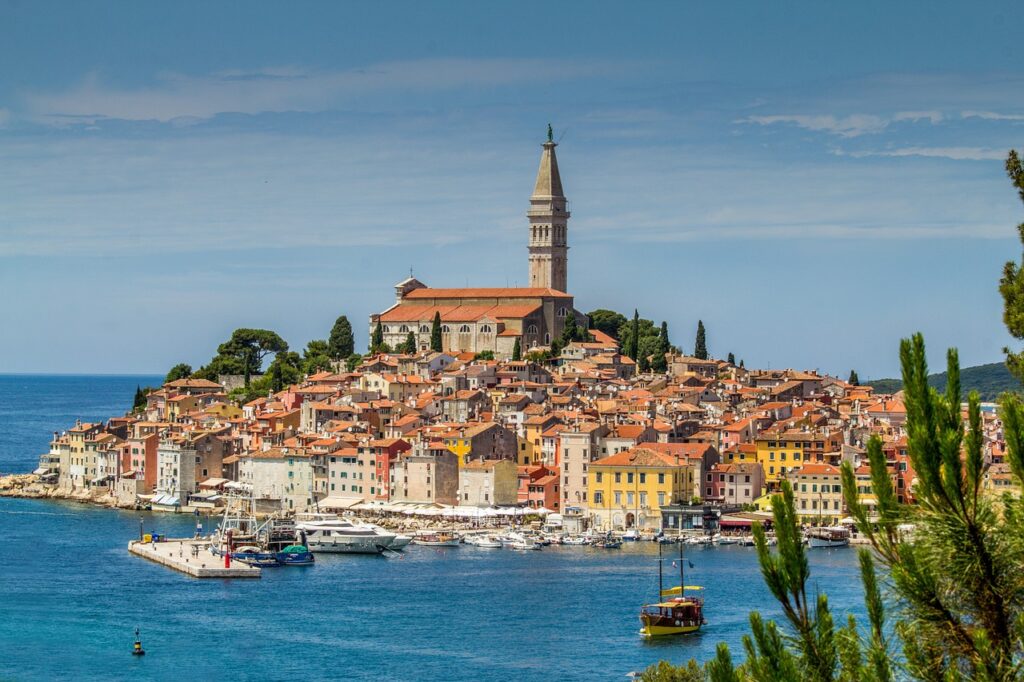
Croatia, with its dazzling coastline, historic cities, and Mediterranean charm, has become one of Europe’s most sought-after destinations. From the ancient walls of Dubrovnik to the sun-drenched beaches of Split, this Adriatic gem offers a captivating mix of natural beauty and cultural heritage. To ensure a smooth and unforgettable journey, here’s what you should know before visiting Croatia’s iconic coast.
Understanding the Best Time to Visit
The Croatian coast is most popular between June and August, when the weather is sunny, the sea is warm, and festivals are in full swing. However, if you prefer fewer crowds and slightly cooler temperatures, consider traveling during the shoulder seasons of May or September. These months still offer pleasant conditions while allowing you to explore more peacefully and often at lower prices.
Entry Requirements and Currency Tips
Croatia is part of the European Union and the Schengen Area, meaning travelers from many countries can enter without a visa for short stays. As of 2023, Croatia uses the euro, which simplifies travel for European visitors. Credit cards are widely accepted in cities, but it’s useful to carry some cash for small towns, local markets, and ferries.
Getting Around the Coast
While Croatia’s public transportation is efficient, especially between major cities like Zagreb, Split, and Dubrovnik, the most scenic routes are often best explored by car or ferry. Renting a car gives you the flexibility to visit hidden coves, quiet villages, and inland national parks. The extensive ferry network, especially run by Jadrolinija, connects the mainland to the many Adriatic islands and provides a relaxing way to travel.
Experiencing Local Food and Culture
Croatian coastal cuisine is a delicious blend of Mediterranean flavors with Italian and Balkan influences. Seafood is abundant and fresh, often served grilled with olive oil and herbs. Don’t miss local dishes like black risotto or peka. Dining is leisurely, and many meals are enjoyed al fresco in scenic settings. Culturally, Croatia has a rich heritage that shines through its music, architecture, and festivals, particularly during the summer.
Respecting Local Customs and Etiquette
Croatians are friendly and welcoming, but they value polite manners and respectful behavior. Dress modestly when visiting churches or historic sites, and always greet shopkeepers or hosts with a smile and a simple “Dobar dan” (Good day). Tipping is customary but not obligatory, with 10% being a common gesture of appreciation in restaurants.
Safety and Travel Practicalities
Croatia is considered a very safe country for tourists. Petty crime is rare but keeping an eye on your belongings in crowded areas is always wise. Tap water is safe to drink, and healthcare is of a high standard. Make sure to have travel insurance in case of emergencies, especially if you’re planning on adventurous activities like hiking or sailing.
Island Hopping and Hidden Gems
While cities like Dubrovnik and Split draw large crowds, don’t overlook smaller islands and coastal towns like Hvar, Korčula, or Rovinj. Each island has its unique charm, from vineyards and lavender fields to secluded beaches and centuries-old monasteries. Island hopping offers a deeper glimpse into Croatia’s relaxed lifestyle and breathtaking landscapes.
Final Thoughts on Visiting the Croatian Coast
Croatia’s coast is a stunning mix of history, culture, and natural beauty. Whether you’re exploring UNESCO-listed cities, swimming in crystal-clear waters, or savoring a seafood feast by the harbor, this country promises a journey full of wonder and delight. With a bit of planning and local insight, your Croatian coastal adventure will be one to remember.