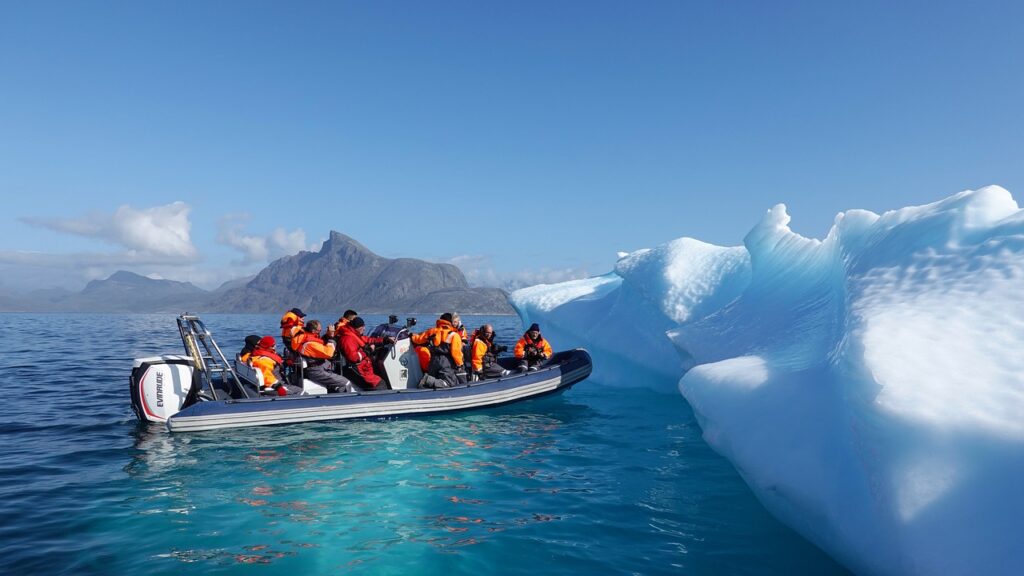
Traveling to polar and remote destinations offers an unforgettable experience far from the usual tourist spots. These places are not just quiet and untouched—they are filled with stunning natural beauty, unique wildlife, and the chance to witness some of the most dramatic landscapes on Earth. Whether you’re heading to the icy Arctic, the frozen lands of Antarctica, or a remote island in the Pacific, these destinations are perfect for adventurous travelers who want to see the world differently.
The Arctic: A Frozen Land of Adventure
The Arctic region stretches across parts of Canada, Greenland, Norway, Russia, and the United States (Alaska). Known for its snowy landscapes, icebergs, and polar bears, this area is ideal for travelers who love the cold and crave unique sights.
- Best time to visit: June to August, when the ice melts enough for ships to travel.
- Top activities: Icebreaker cruises, viewing the Northern Lights, wildlife watching (especially polar bears, whales, and walruses).
- Unique fact: The Arctic has no land at the North Pole—just floating sea ice.
Antarctica: The Last Great Wilderness
Antarctica is the southernmost continent and remains the most untouched by humans. Its frozen landscapes, towering glaciers, and massive ice shelves are like no other place on Earth.
- Best time to visit: November to March, the summer months when temperatures are less extreme.
- Top activities: Zodiac boat rides among icebergs, penguin spotting, visiting research stations, and kayaking through icy waters.
- Unique fact: No one lives in Antarctica permanently—only researchers and scientists stay for short periods.
Remote Islands: Hidden Jewels in the Ocean
Some of the world’s most remote places are islands that lie far from any mainland. These include places like Easter Island in the Pacific Ocean, Tristan da Cunha in the South Atlantic, and Svalbard in the Arctic Ocean.
- Easter Island (Chile): Known for its mysterious stone statues called Moai. It’s thousands of miles from the nearest major landmass.
- Tristan da Cunha (UK territory): The most remote inhabited island group in the world, located in the South Atlantic Ocean.
- Svalbard (Norway): A polar archipelago known for its Arctic wildlife, glaciers, and dramatic mountain scenery.
Why Visit These Remote Places?
Traveling to polar and remote destinations offers more than just beautiful photos—it’s a chance to truly disconnect from modern life. These places help us understand the power of nature and the importance of protecting it. They are also home to wildlife that can’t be seen anywhere else and cultures that have adapted to extreme environments.
Travel Tips for Visiting Remote Locations
- Plan ahead: Trips to these places often require permits and long travel times. Start planning early.
- Travel responsibly: Respect the environment and local cultures. Choose eco-friendly tours when possible.
- Pack smart: Weather can change quickly, especially in polar areas. Bring layers, waterproof gear, and essentials like sunscreen and sunglasses—even in snowy places.
- Be flexible: Weather and transport delays are common. A flexible attitude will make your trip more enjoyable.
Conclusion: A Journey Worth Taking
Visiting polar and remote destinations isn’t for everyone, but for those who go, it’s often a life-changing experience. Whether you’re standing on the ice of Antarctica, sailing under the midnight sun in the Arctic, or exploring a faraway island, these journeys take you far from the ordinary—and deep into the heart of the planet’s most magical places.