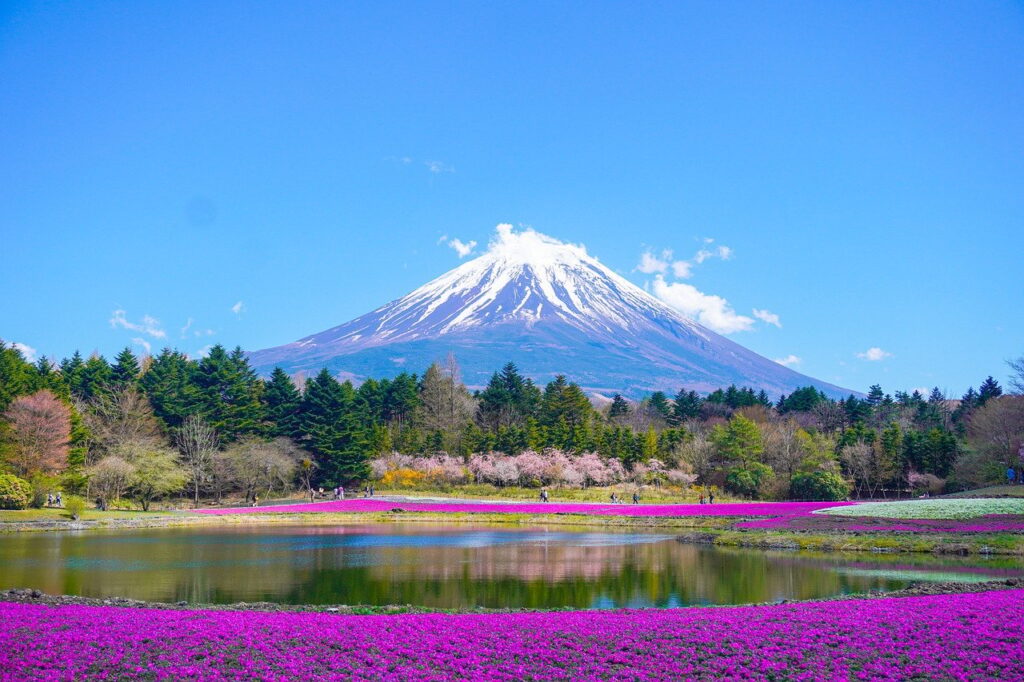
Japan’s rich culture, stunning landscapes, and unique traditions make it a dream destination for travelers. However, the timing of your visit can significantly impact your experience and budget. From breathtaking cherry blossoms in spring to affordable off-season deals, here’s a comprehensive guide to the best, worst, and most affordable times to visit Japan.
The Best Times to Visit: A Symphony of Seasons
Spring (March to May) is arguably the most popular time to visit Japan. The nation comes alive with sakura (cherry blossoms) that blanket parks and streets in pink and white hues. Cities like Kyoto, Tokyo, and Osaka host hanami (flower viewing) events, offering unforgettable cultural and natural experiences. However, spring is also a peak season, so accommodations and flights can be pricey.
Autumn (September to November) rivals spring in beauty, with fiery hues of red and gold transforming the countryside and cityscapes. It’s the perfect season for hiking and enjoying Japan’s famous gardens, such as Kenrokuen in Kanazawa or the Arashiyama Bamboo Grove in Kyoto. The cooler weather and vibrant foliage attract fewer crowds than spring, making it an excellent time to explore.
The Worst Times to Visit: Challenges in Weather and Crowds
Summer (June to August), while vibrant and festival-rich, can be challenging for many travelers. The season is marked by high temperatures, humidity, and a rainy period in June. Popular spots like Tokyo Disneyland and Mount Fuji can be swarmed with domestic and international tourists during school holidays. Unless you’re attending specific events like Kyoto’s Gion Matsuri or exploring cooler northern regions such as Hokkaido, summer may not be the ideal time to visit.
Golden Week (late April to early May) is one of Japan’s busiest travel periods. With domestic tourism at its peak, transportation and accommodations are often fully booked or overpriced. While the festive atmosphere can be enticing, the crowds and costs can make it a less appealing time for international visitors.
The Most Affordable Times to Visit: Exploring Japan on a Budget
Winter (December to February) is one of the most budget-friendly times to visit Japan, excluding the New Year holiday. The colder months bring fewer tourists, allowing for better deals on flights and hotels. Travelers can enjoy serene temple visits and snowy landscapes, particularly in regions like the Japanese Alps or Hokkaido. Winter also offers unique experiences like soaking in an onsen (hot spring) surrounded by snow.
Late summer to early autumn (mid-August to early September) is another affordable window. As the summer crowds wane, prices for accommodations and transportation drop. This period overlaps with the start of autumn foliage, giving travelers a chance to enjoy scenic beauty without peak-season costs.
Planning Your Trip: Balancing Cost, Weather, and Experiences
Choosing the best time to visit Japan depends on your priorities. For those seeking cultural festivals and iconic landscapes, spring and autumn are ideal, despite higher costs. Budget-conscious travelers can explore during winter or late summer to enjoy the country’s charm at a lower price. While summer and Golden Week pose challenges, they can still be rewarding for those who plan carefully and embrace the bustling energy of Japan during these periods.
Japan Awaits, Any Time of Year
Japan’s allure transcends seasons, offering something unique in every time of year. Whether you’re chasing cherry blossoms, marveling at autumn leaves, or reveling in the tranquility of winter, careful planning ensures that your trip to Japan will be memorable, no matter when you go.