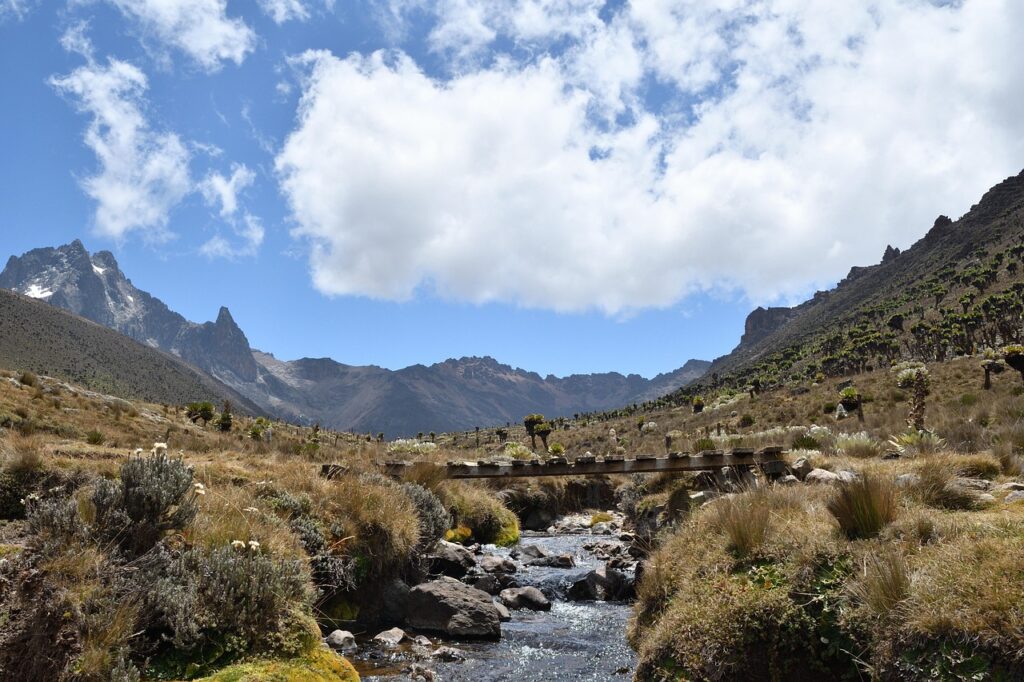
Kenya is one of Africa’s most captivating destinations, famous for its sprawling savannahs, vibrant tribal cultures, and world-renowned wildlife safaris. Whether you’re dreaming of spotting the Big Five or immersing yourself in the colorful traditions of the Maasai, traveling to Kenya offers a chance to connect with nature and culture in ways that few places can. But before you pack your bags and board the plane, understanding a few key tips will ensure your journey is safe, smooth, and truly unforgettable.
Best Time to Visit and What to Expect
Timing your visit to Kenya can dramatically affect your experience. The dry season, from June to October, is ideal for wildlife viewing, especially during the Great Migration in the Maasai Mara. If you prefer fewer crowds, the shoulder seasons in March or November offer pleasant weather and lush green landscapes. Be prepared for a range of environments, from humid coastlines to cooler highlands, and bring layers to adjust accordingly. Expect to travel long distances between destinations, as the country is large and attractions are often spread out.
Health and Safety Considerations
Kenya is generally safe for travelers who take basic precautions. Before traveling, consult your doctor for recommended vaccines, particularly for yellow fever and typhoid. Malaria is also a concern in many regions, so taking anti-malarial medication and using mosquito repellent is highly advised. Drinking bottled water and avoiding raw street food can help prevent stomach issues. Always keep your valuables secure and avoid walking alone at night in urban areas. Hiring registered guides and using trusted safari operators is one of the best ways to stay safe and informed.
Cultural Etiquette and Local Customs
Kenyan culture is warm and welcoming, but it’s important to respect local customs. Dress modestly, particularly in rural or Muslim-majority coastal areas. Always ask permission before photographing people, especially members of traditional tribes like the Maasai. A friendly “Jambo” (hello) goes a long way, and tipping is customary for guides, drivers, and service staff. Understanding and appreciating the diversity of languages, traditions, and lifestyles will enrich your trip and earn you the respect of local communities.
Money Matters and Connectivity
Kenya uses the Kenyan Shilling, and cash is still king in many areas outside the major cities. ATMs are widely available in towns and cities, but carrying enough cash for remote areas is wise. Credit cards are accepted in most hotels and lodges, though not always in smaller businesses. Internet access is improving rapidly, and SIM cards with data are affordable and widely available, which makes staying connected convenient during your travels.
Safari Essentials and Packing Tips
Packing appropriately for a safari is key to comfort and enjoyment. Neutral-colored clothing helps you blend into the natural environment and reduces insect attraction. Don’t forget a wide-brimmed hat, sunscreen, and binoculars. While lodges may provide basic toiletries, it’s smart to bring your own essentials. A good camera with a zoom lens will allow you to capture the breathtaking wildlife without disturbing them. Most importantly, pack an open mind and a sense of adventure.
Final Thoughts on Your Kenyan Getaway
A trip to Kenya is more than a vacation—it’s a journey into one of the world’s most awe-inspiring landscapes, where wildlife roams free and ancient cultures thrive. With careful preparation and respect for the country’s unique rhythms, your experience will not only be unforgettable but also meaningful. Let the call of the wild guide you as you explore the heart of East Africa.