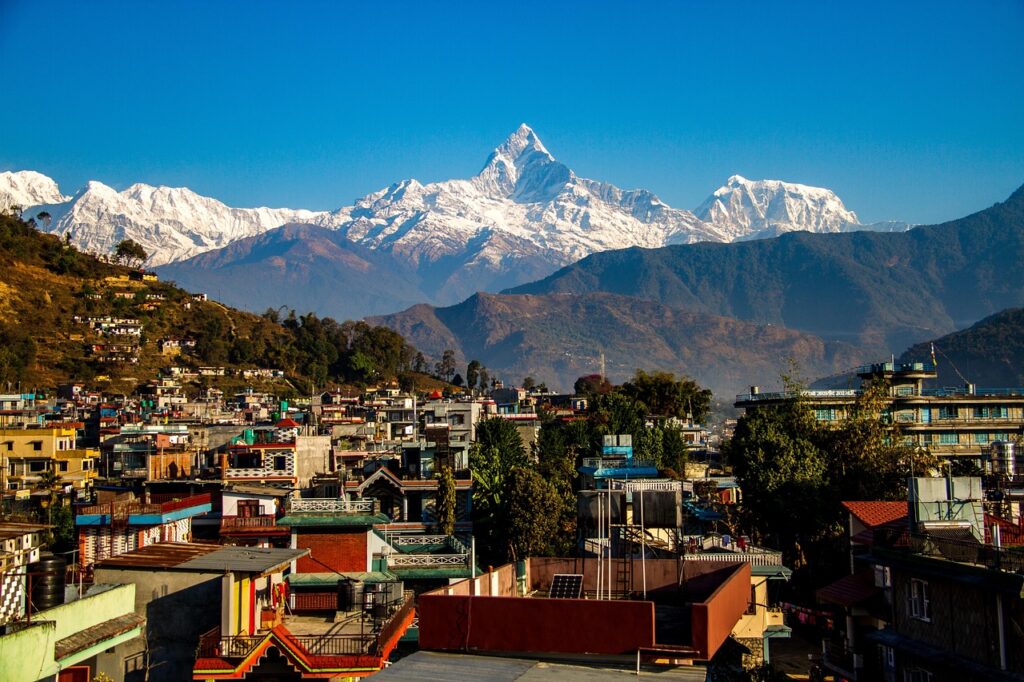
Nepal is a land of breathtaking Himalayan peaks, sacred temples, and deeply rooted traditions. From the chaotic yet charming streets of Kathmandu to the serene trails leading to Everest Base Camp, this country offers a powerful mix of adventure, spirituality, and cultural immersion. Whether you’re visiting to trek the world’s highest mountains, discover ancient architecture, or simply experience a different way of life, it helps to know what to expect before you go. With thoughtful planning and a spirit of curiosity, your journey to Nepal can be both smooth and unforgettable.
Preparing for the Adventure of Altitude
Nepal is most famous for its mountains, and rightly so — it’s home to eight of the ten highest peaks in the world, including Mount Everest. But trekking in Nepal is not just about conquering heights; it’s about absorbing the culture of mountain communities, walking through rhododendron forests, and waking up to the sound of yak bells in remote villages. Whether you’re attempting a challenging expedition or opting for a more accessible trek like the Annapurna Base Camp or Ghorepani Poon Hill, it’s crucial to prepare physically and mentally. Altitude sickness can affect anyone, regardless of fitness level, so giving your body time to acclimatize, staying hydrated, and listening to local guides is essential.
Embracing the Spiritual Heart of Kathmandu
The capital city, Kathmandu, is a sensory-rich place where ancient temples sit beside busy traffic and street vendors. The UNESCO-listed Kathmandu Valley is home to several remarkable cultural landmarks, including the Swayambhunath Stupa (Monkey Temple), Boudhanath Stupa, and the sacred Hindu temple Pashupatinath. Each site reveals layers of history, faith, and symbolism that have shaped Nepalese identity for centuries. While exploring these sacred spaces, it’s important to dress modestly, remove shoes where required, and observe silence or respectful behavior. Temples are not just tourist sites but places of active worship, so treating them with reverence will enhance your experience and earn the respect of locals.
Navigating Language and Local Etiquette
Nepali is the official language, and while English is widely spoken in cities and among those involved in tourism, learning a few local phrases can make a difference in building connections. Simple greetings such as “Namaste” accompanied by a slight bow with hands pressed together are common and appreciated. Nepali culture places a strong emphasis on respect for elders, modesty, and hospitality. Visitors should dress conservatively, especially in rural areas and religious sites. Public displays of affection are uncommon, and pointing with your feet or touching someone’s head is considered disrespectful.
Transportation and Getting Around
Getting around in Nepal can be part of the adventure. In cities like Kathmandu and Pokhara, taxis and ride-hailing apps are widely available, although traffic congestion is common. Long-distance travel is possible via tourist buses or domestic flights, which connect key destinations like Lukla, Pokhara, and Chitwan. Roads outside major cities can be rough, especially during the monsoon season, so expect delays and travel with flexibility. If you’re planning to trek, many routes require a combination of flights, jeep rides, and foot travel to reach the trailhead, so be sure to account for extra travel time.
Weather, Seasons, and What to Pack
Nepal experiences a wide range of climates due to its diverse geography, from subtropical lowlands to alpine highlands. The best time to visit is during the pre-monsoon (March to May) and post-monsoon (September to November) seasons, when the skies are clearer and trekking conditions are ideal. Winter months can be cold, especially at higher altitudes, while the summer monsoon brings heavy rain and leeches on lower trails. Packing layers is key, along with good-quality trekking shoes, sun protection, a reusable water bottle, and essentials like a power bank and travel towel. In city areas, light, modest clothing is best, while treks require performance gear suited for changing conditions.
Staying Healthy and Safe
Health and safety are manageable concerns with proper preparation. Avoid drinking tap water and instead use bottled water or a portable purifier. Street food can be delicious but choose stalls that are busy and well-regarded to avoid stomach issues. Travel insurance that covers trekking and emergency evacuation is highly recommended, especially if you’re going above 3,000 meters. Nepal is generally safe for travelers, but it’s wise to keep valuables secure and be aware of your surroundings, particularly in crowded urban areas. In trekking regions, always check weather forecasts, carry a local SIM card or GPS tracker, and inform someone of your itinerary.
Exploring Beyond the Himalayas
While the mountains may be the biggest draw, Nepal offers so much more. The jungles of Chitwan and Bardia are home to elephants, rhinos, and elusive Bengal tigers. Lumbini, the birthplace of the Buddha, attracts pilgrims from around the world. In the peaceful city of Pokhara, you can enjoy boating on Phewa Lake, paragliding over the Annapurna Range, or simply relaxing in a lakeside café. Each region of Nepal offers a distinct experience, shaped by its ethnic traditions, geography, and way of life. Allow yourself time to explore beyond the major trekking routes and discover the richness of Nepalese culture.
Final Thoughts
Nepal is more than a destination — it’s an experience that awakens your senses, challenges your spirit, and leaves a lasting impression on your heart. Whether you come seeking mountain adventures, spiritual insight, or cultural connection, the key to a fulfilling trip lies in traveling mindfully and with respect. With the right preparation and an open mind, Nepal offers not just memories, but a deeper understanding of the world and yourself.